The World Meets in Edinburgh
Inside the festivals that spark innovation, diplomacy and cultural exchange for ASU Gammage
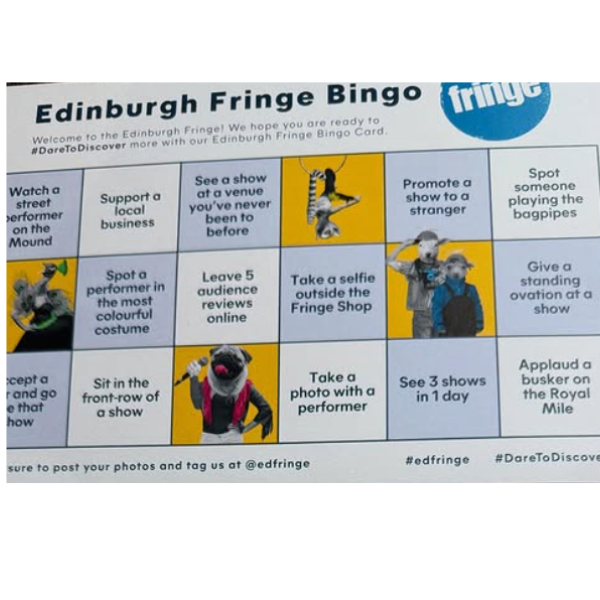
Each summer, Scotland’s capital transforms into a global stage with the Edinburgh Festival Fringe, the Edinburgh International Festival and the Tattoo, the city’s international arts festivals. For three vibrant weeks in August, classrooms, storefronts, circus tents, and even basements become theaters. New works premiere, reputations are made, and emerging performance trends take shape.
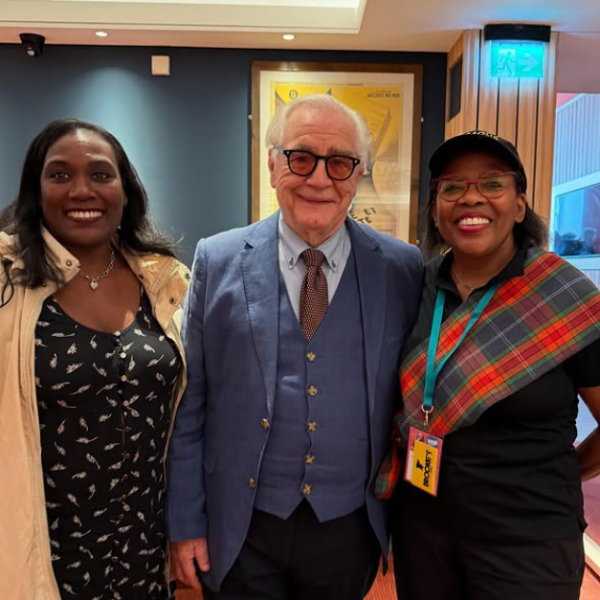
Colleen Jennings-Roggensack, Executive Director of ASU Gammage and Vice President for Cultural Affairs at Arizona State University, attends nearly every year. For her, the Festivals are more than a marketplace of ideas. It is vital for building international partnerships and imagining what comes next in the performing arts.
“You can see six shows a day and still only scratch the surface,” she says. “But the pieces that stay with you, the ones you cannot stop thinking about, those are the ones that matter.”
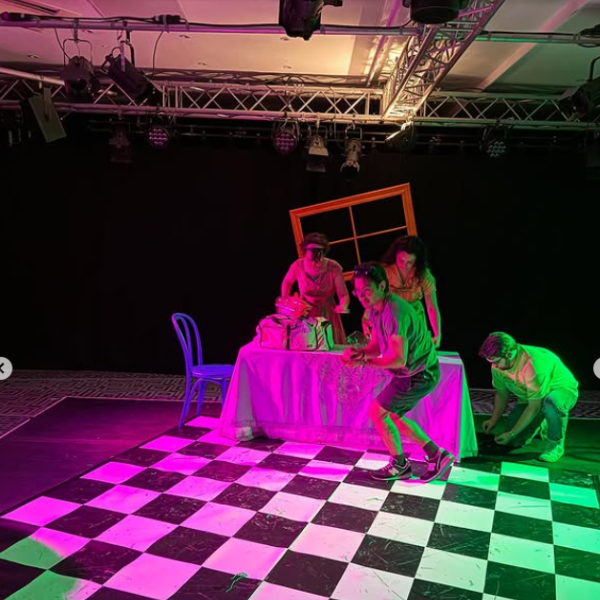
This year, three works made a particular impression. “A Journey Through Generations: A Teen Odyssey” blended game, dance, and storytelling to spark a multigenerational conversation. Audience members scanned QR codes on their phones, formed groups and responded to prompts that ranged from playful to profound. The room’s light shifted as participants moved into circles, triangles and squares that reflected their choices, while a father-and-daughter story unfolded in the background.
“It was smart, innovative and deeply moving,” Jennings-Roggensack recalls. “The technology was simple, but it opened a conversation across generations. It reminded us that while we may see the world differently, we share more than we realize.”
The show quickly became a sensation among international presenters. “Everyone I sent came back saying this has to come to the States,” she adds.
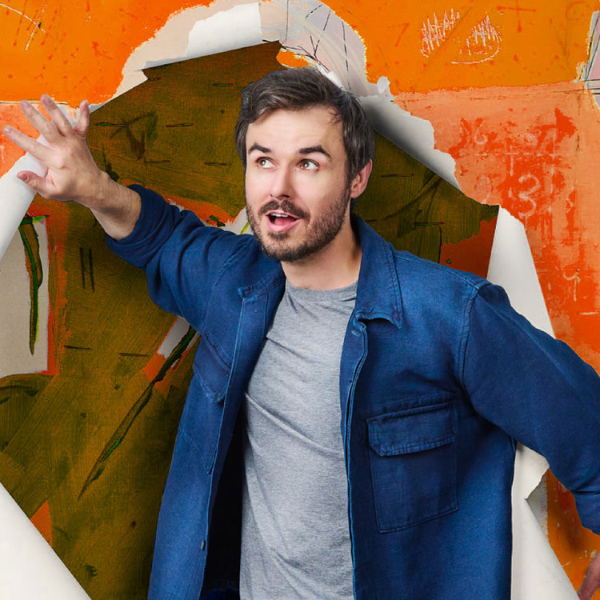
In “300 Paintings,” Australian artist Sam Kissajukian recounted a manic episode in which he painted 300 large canvases in just two weeks, moving through styles from Cubism to Expressionism. Onstage, he mixed humor and candor as he shared slides of the work. After the performance, audiences entered a gallery filled with the actual paintings.
“It is funny, heartbreaking and about mental health in a way that is both extraordinarily human and wildly creative,” she says. “He is gifted as a comedian and as a painter, and the way he ties those worlds together is unforgettable.”
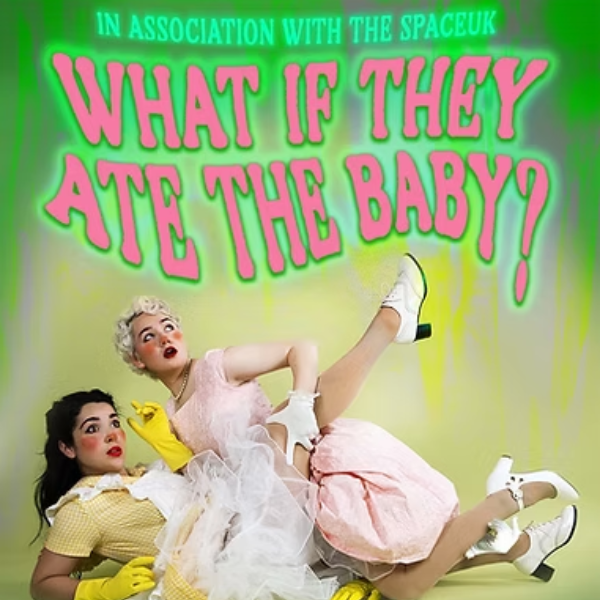
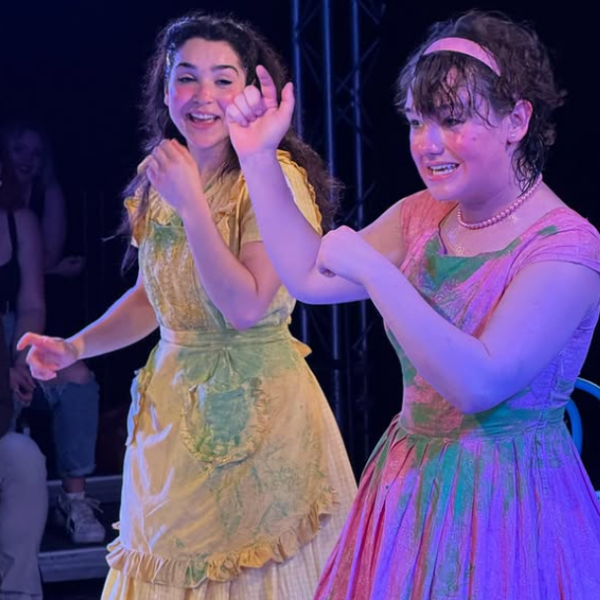
The third standout was “What If They Ate the Baby?” by New York performers Xhloe Rice and Natasha Roland. In vintage housewife attire, they served casseroles and made polite small talk that gradually fractured into a surreal exploration of gender, repression, and hidden desire.
“It was exquisite,” Jennings-Roggensack says. “They deconstruct time, character, and identity. Suddenly you realize you are watching two women discover themselves within a rigid suburban world. It is absurd, brilliant, and very American.”
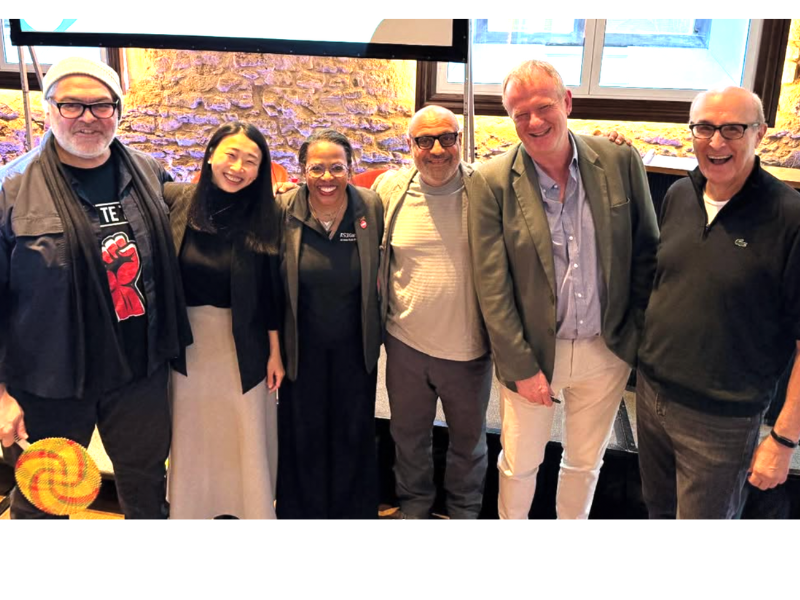
The Festivals are also a crucial meeting place for the international arts community. This year, Jennings-Roggensack took part in the International Society for the Performing Arts Series at the Fringe. Now in its ninth season, this joint program by ISPA and the Edinburgh Festival Fringe Society invites leaders in the global arts sector for conversations on the future of performance.
At that forum, she joined colleagues from Egypt, China and New Zealand to explore culture’s role in a fractured world. “The hardest truth is that the world will figure out how to do cultural exchange without us,” she said. “If we want America to remain part of the global conversation, the arts are essential.”
For her, the takeaway is clear: art must both entertain and provoke, connect, and question. Not every performance belongs in Arizona, but visibility matters. “This is a business of relationships,” she says. “If ASU Gammage is not there, no one is thinking of Arizona as a home for international work.”
Over decades, ASU Gammage has become known as both a presenter of groundbreaking performances and a bridge between American artists and the world. Connections formed in Edinburgh often grow into touring engagements in Tempe, international collaborations, and opportunities for ASU students to learn from and create with global artists.
“This is soft diplomacy,” Jennings-Roggensack explains. “When government funding for cultural exchange disappeared, organizations like ours kept the channels open. Culture is diplomacy. It is how the unfamiliar becomes familiar. It is how we keep hope alive.”
She notes that no American city exists in isolation. “Phoenix, Lincoln, Ann Arbor, Miami, every city is global. What matters is whether we choose to engage and connect. At ASU Gammage, that is our purpose.”
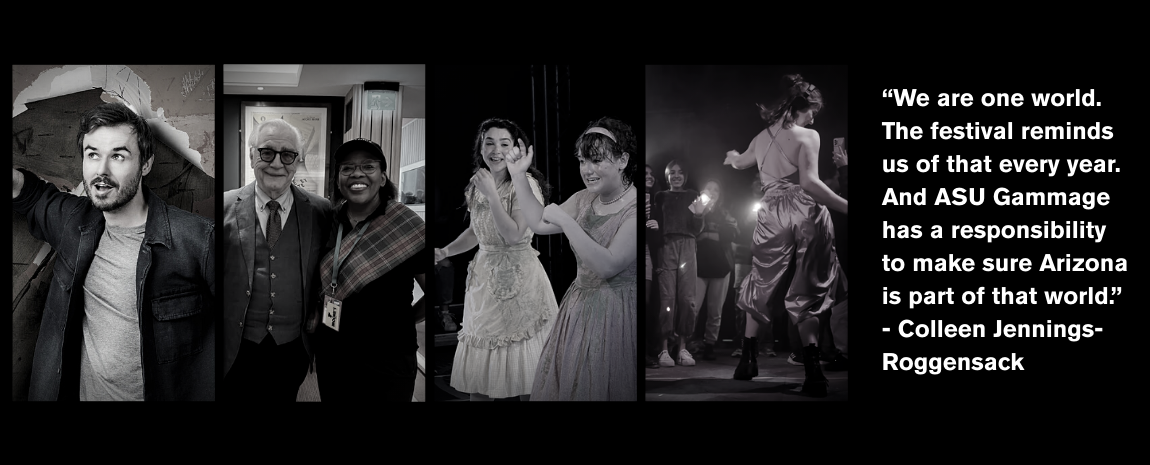
“We are one world,” she says. “The festival reminds us of that every year. And ASU Gammage has a responsibility to make sure Arizona is part of that world.”
Image Gallery